Steven’s Care in Korea: Making Choices on His Own Terms
Steven shares his plastic surgery and dermatology experience in Korea, from understanding his options to the interpreting and practical support he received.
One patient's experience. Your care and results may differ; the clinic decides what suits you.
As Steven prepared for nose surgery, there was one thing he wanted to avoid: a scar where cartilage would be harvested from his own rib. He wanted to address both the shape of his nose and his breathing concerns, but choosing a surgical approach also meant considering the marks it might leave on his body.
Steven came from Sydney, Australia, and visited both a plastic surgery clinic and a dermatology clinic in Korea. Alongside his concerns about his nose, he had skin concerns that dated back to his teenage years. We supported him during his care in Korea by providing interpreting support and helping with preparations for his stay and transportation.
Talking with His Doctor Before Coming to Korea
Steven began preparing by exchanging emails and WhatsApp messages with the people helping him. As his plans took shape, he had video consultations with those contacts and the surgeon who would perform his procedure. Before leaving for Korea, he was able to speak directly with the doctor who would operate on him.
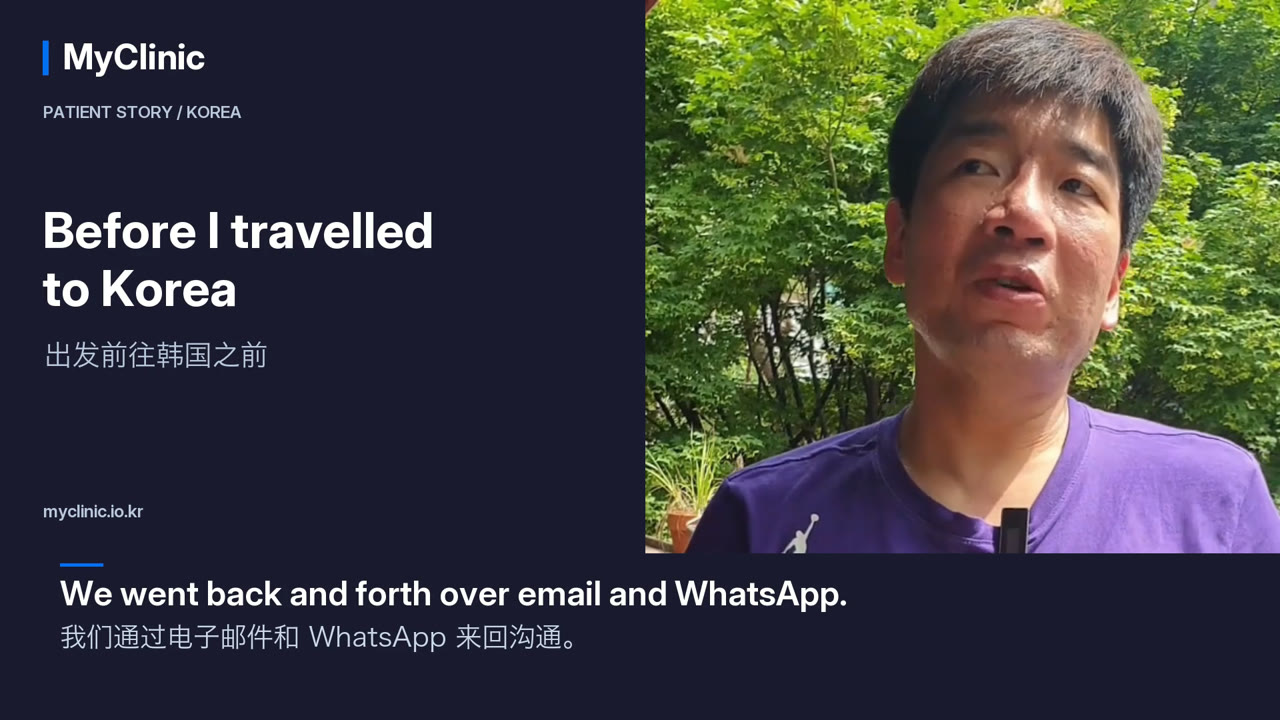
During the preliminary consultation, the medical team explained that they could not fully assess his condition until he had been examined in person. Some things could be discussed over video; others would need to be checked after he arrived in Korea. Steven understood that he would need to visit in person for a thorough consultation and prepared for the trip.
He also needed to think about where he would stay, how he would get around and how he would communicate with doctors who spoke a different language. We helped with preparations for his stay and provided interpreting support for his medical visits.
Understanding the Explanation and Making His Wishes Heard
At the plastic surgery consultation, being able to see his condition helped Steven make his decision. He saw that the airway on one side of his nose was narrower than the other, and the medical team explained how surgery could widen it. He could see how his breathing concerns related to the condition inside his nose.
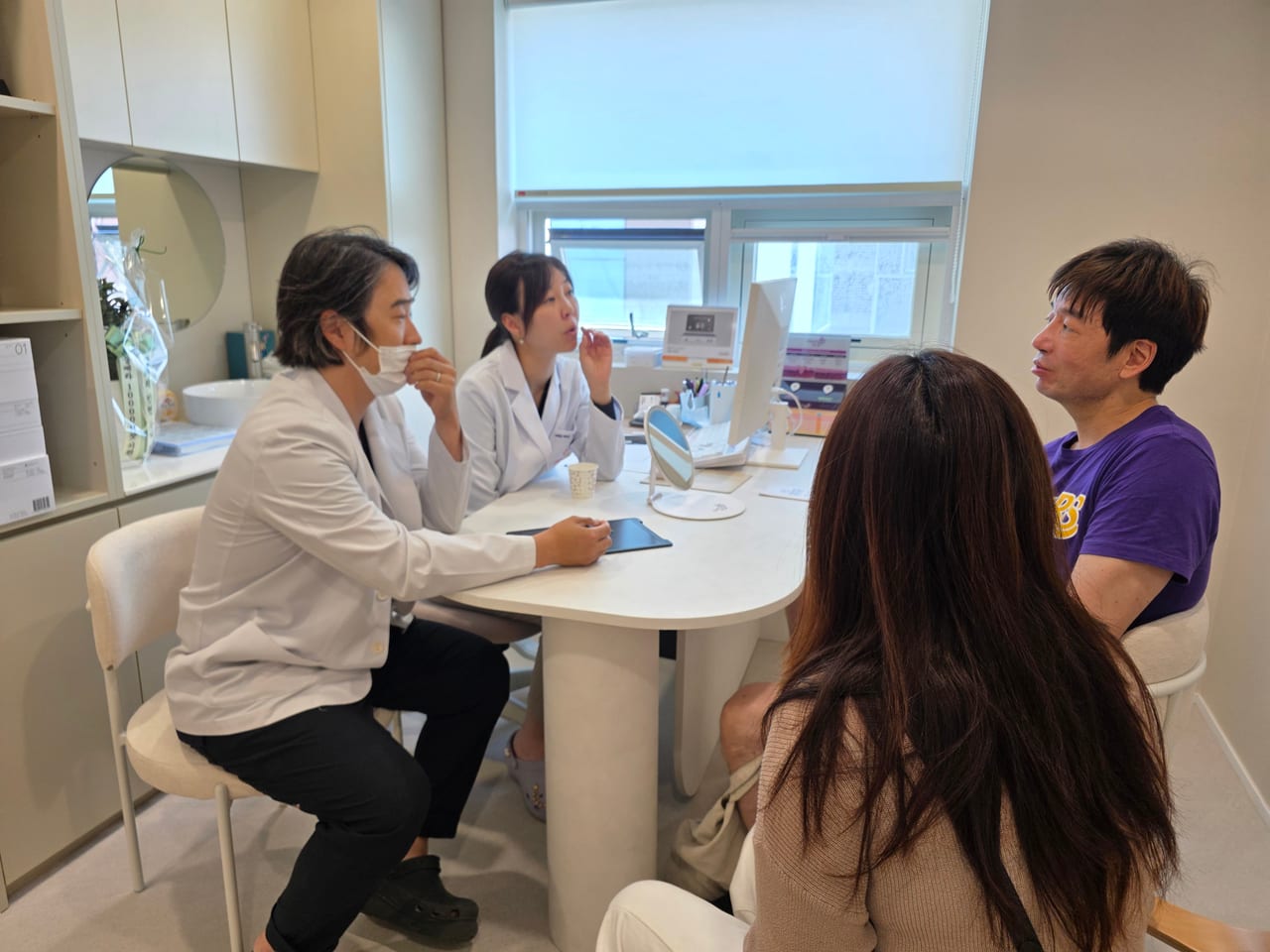
Steven said that seeing this while hearing the explanation helped him decide about surgery.
He also had a clear preference when choosing the cartilage to be used. He did not want a scar at the site where his own rib cartilage would be harvested. After hearing the medical team’s recommendation, he chose donor cartilage.
We provided interpreting support during Steven’s care to help him understand the medical team’s explanations and communicate his own thoughts. A patient needs to be able to express both what they want and what concerns them.
A Skin Concern That Began in His Teens
Steven also received care at a dermatology clinic during his visit. Having had skin concerns since his teenage years, changes in his skin mattered to him, too.
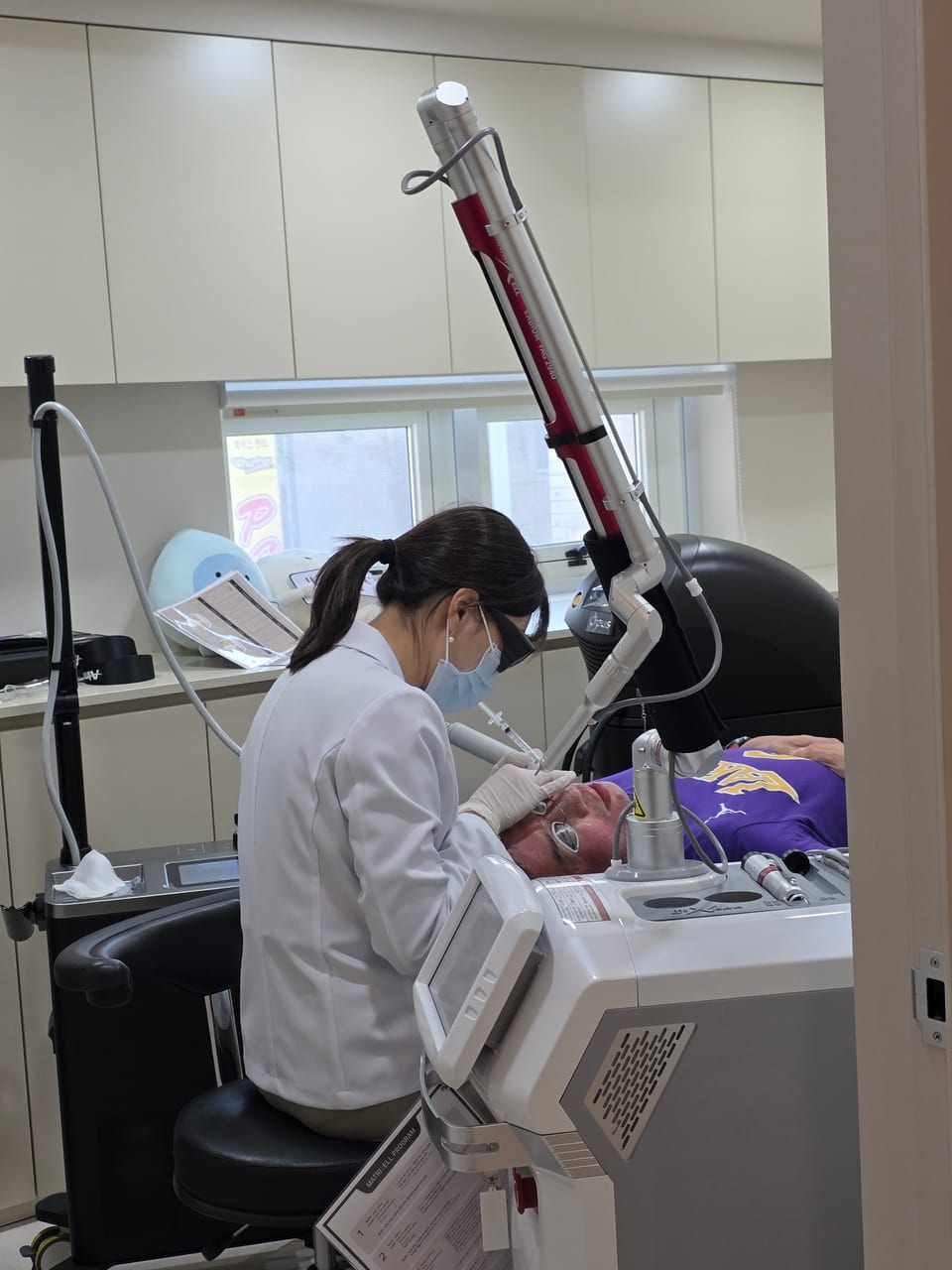
At the time of his interview, Steven said he could see that his skin and complexion had improved since arriving in Korea. It was not perfect, he said, but he could see a clear improvement.
Helping with Daily Life After Treatment
There were practical arrangements to consider alongside his medical visits: where to stay and how to get around after surgery. We let Steven know that we could help him find accommodation.
The place he stayed had laundry facilities and was about a five- to ten-minute walk from a subway station. During the first few days after surgery, however, there were times when going out and walking was difficult. We helped arrange taxis when he needed them.
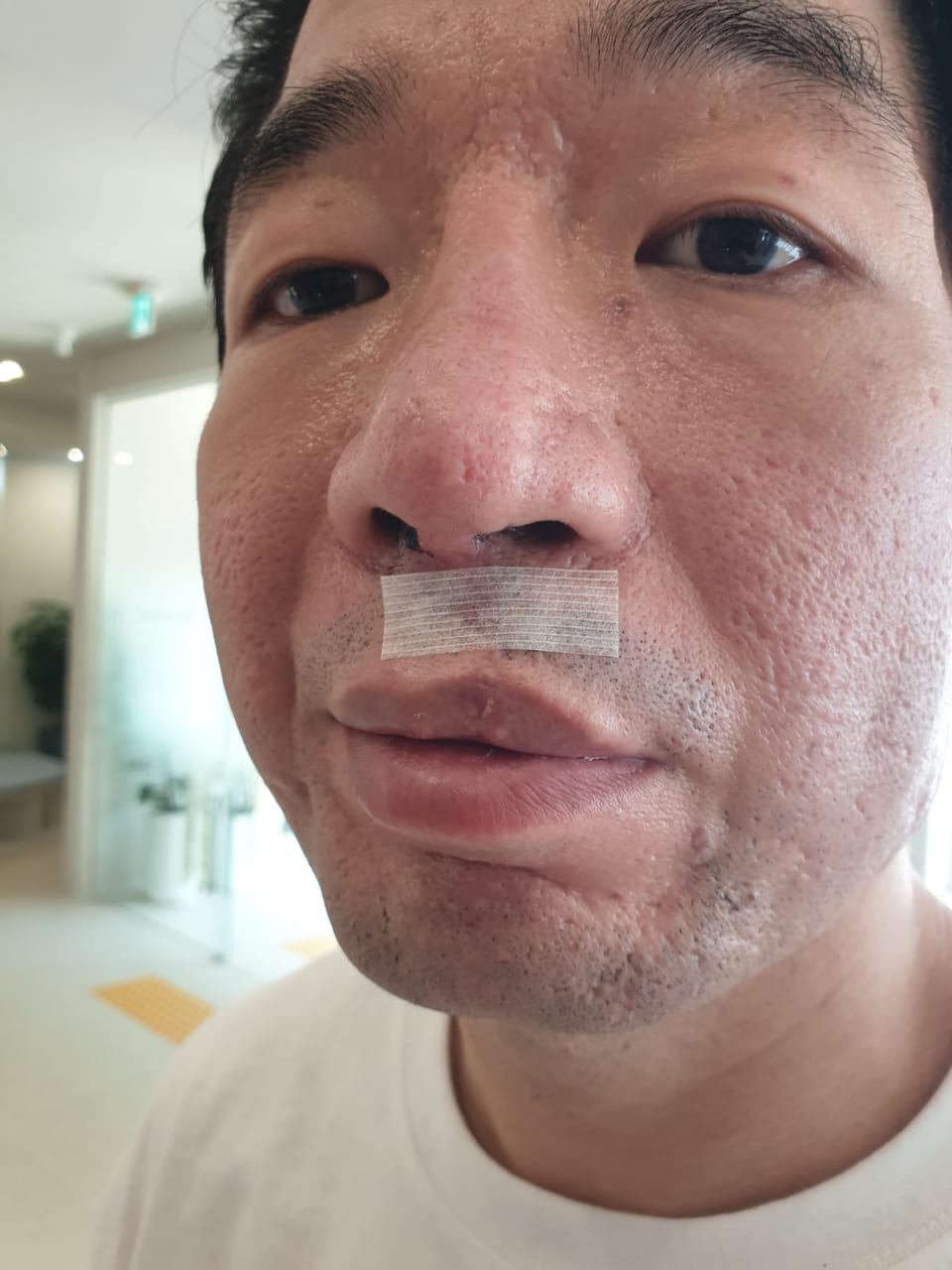
Steven said that having this help during the early days of recovery eased his concerns.
“That made things a lot easier for me.”
Looking back on his experience in Korea, Steven said that if one clinic did not feel right, there were other places to consider. His advice was to be clear about what you wanted when choosing a clinic.
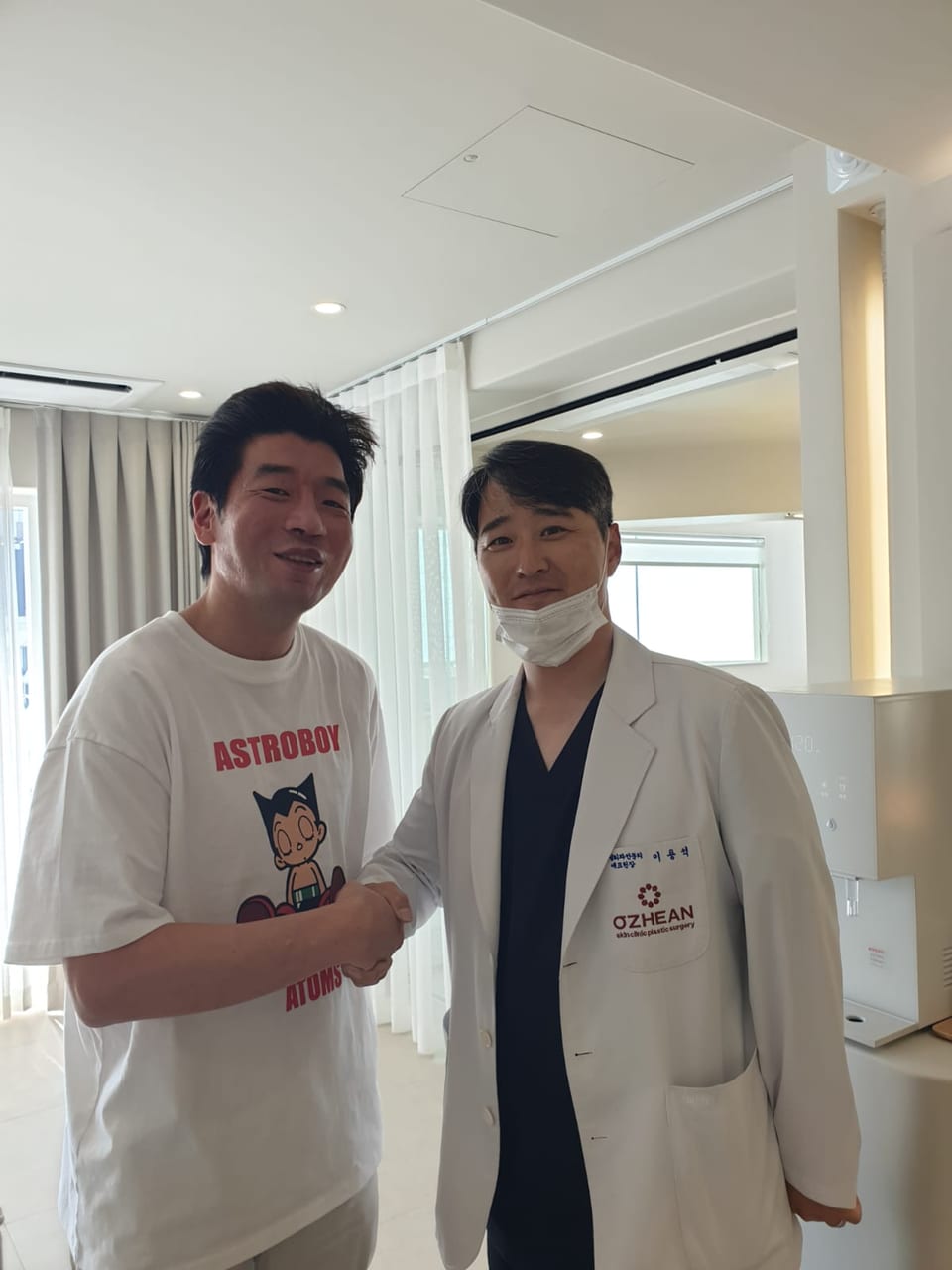
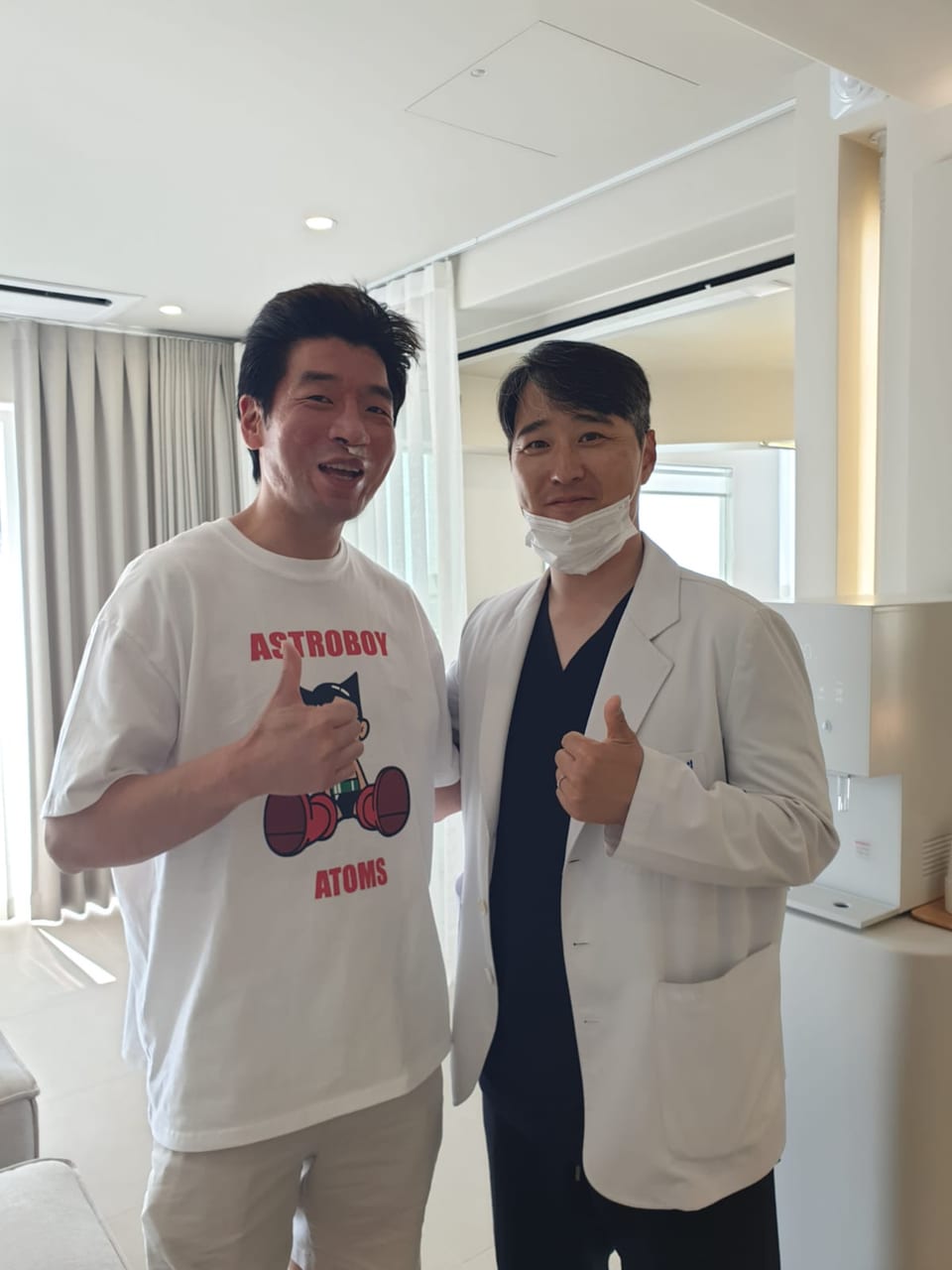
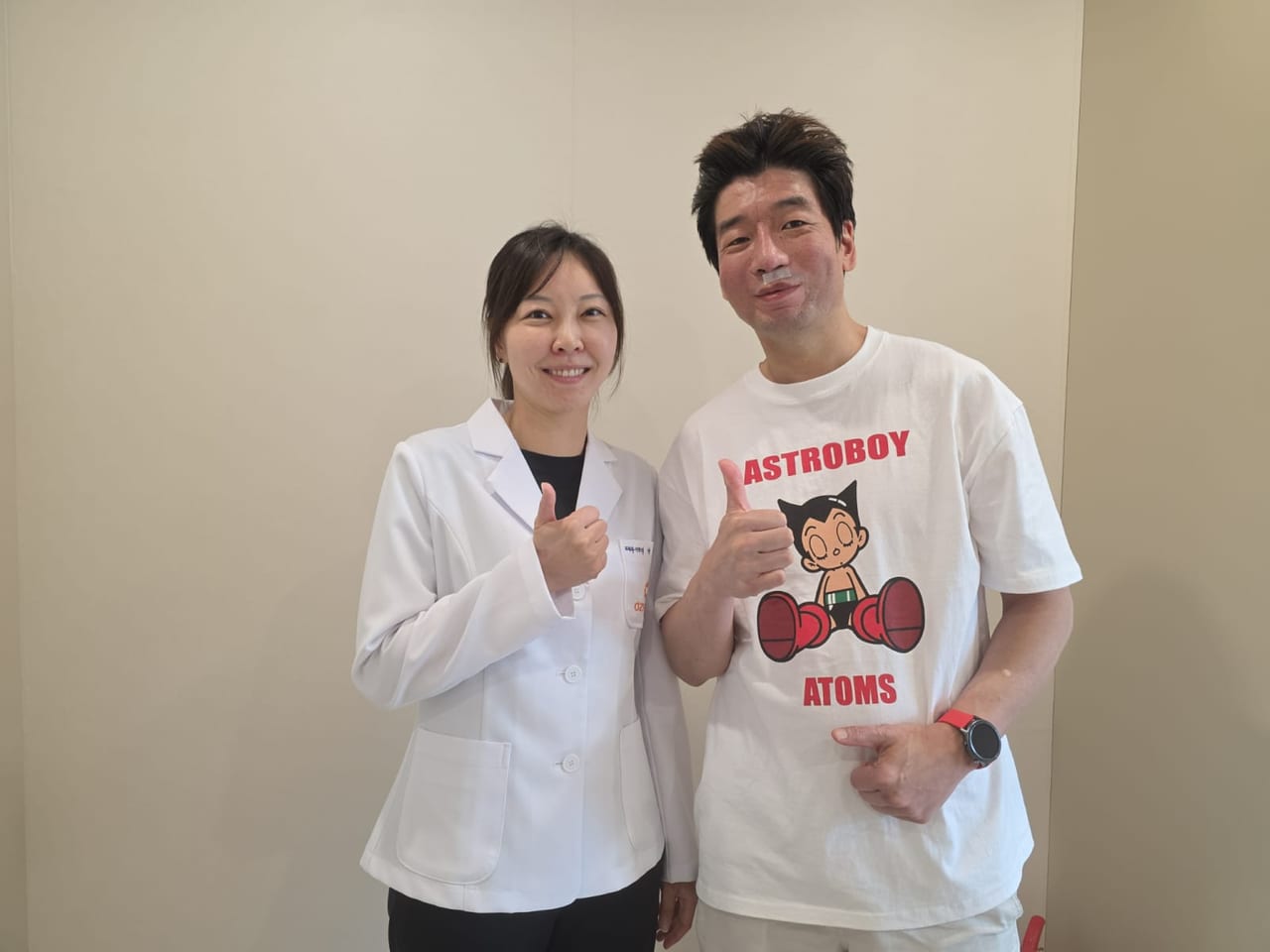
Every patient brings their own priorities to medical care, just as Steven did when he wanted to avoid a scar from rib cartilage harvesting. Through interpreting support, we aim to help patients communicate those priorities to their doctors.
This account of Steven’s personal experience is based on his English interview and confirmation of the support provided at the time. His comments reflect his experience at the time of the interview. Treatment approaches, outcomes and the scope of support may vary from person to person.
Planning care in Korea? Tell us about your questions and travel plans.
Request your free Plan
Tell us which treatments you're considering, whether you've decided or are still exploring. A MyClinic coordinator replies in English, checks the details with the clinics and prepares your personalized Plan.
MyClinic's planning consultation, clinic quotes, your Plan and booking support are free. Clinic fees are separate and paid directly to the clinic.
From this story: Steven’s Care in Korea: Making Choices on His Own Terms
MyPass keeps your Plan, visit history and follow-up in one place.
About MyPass →Related guides

What to Bring to Korea: A Medical-Trip Checklist (2026)
Half of a good medical trip is packed before you leave home. Entry documents, medication rules, records, recovery items — one honest checklist for Korea.
Read guide →

Ultherapy, Thermage, or Shurink? Match the Device to Your Concern
Compare how lifting devices work, the concerns they may address, and the treatment details that affect the quote. Sagging, laxity and contour are different problems — here's how to tell which is yours.
Read guide →

RF vs HIFU Lifting in Korea: What Actually Decides Your Price
Budgeting for lifting in Korea? RF and HIFU are different treatments, and the price depends on the area, shot count and treatment details — compare how the devices work and what each quote covers. Here's how to read it.
Read guide →